
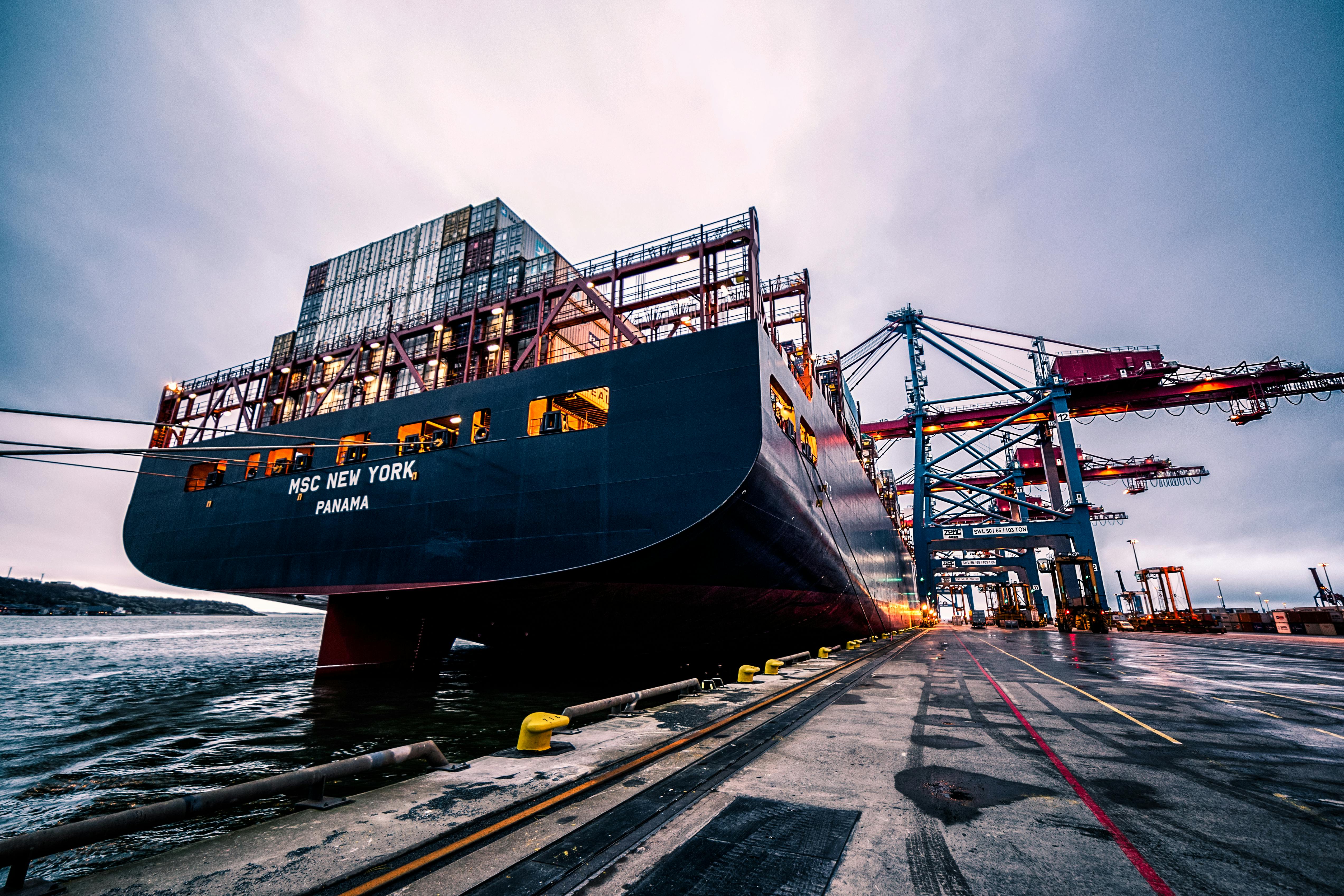
The maritime industry plays a crucial role in Malaysia’s economic landscape, necessitating an urgent and effective policy framework to enhance its competitiveness in both local and international markets. The Malaysia Shipping Master Plan (MSMP) aimed to elevate the shipping sector to a pillar of the national economy from 2017 to 2022, addressing various challenges, including ship operations, recruitment and training of seafarers, and regulatory frameworks. However, the implementation of MSMP has been criticized for failing to tackle fundamental issues related to the environment, security, and economic viability, highlighting a need for revisions and improvements.
As MSMP concluded in 2022, Malaysia must develop a new, comprehensive shipping strategy to ensure the maritime industry remains robust and competitive. The governance structures in the maritime sector, often complex and opaque, have evolved over centuries, making it difficult for stakeholders to engage meaningfully. Effective governance must prioritize transparency and efficiency to avoid losing valuable maritime opportunities due to bureaucratic inefficiencies.
A successful maritime strategy must foster collaboration among all stakeholders, including government agencies, NGOs, the commercial sector, and civil society. This collaborative approach will be essential as Malaysia strives to maintain its status as a prominent maritime nation. The advantages of a strong maritime sector are evident, given its crucial role in national development and economic stability.
The new strategic framework must strengthen legal and regulatory infrastructures by integrating relevant policies and methods that accommodate the industry’s needs. A focus on human capital development is equally essential. Maritime universities and training academies should design curricula that align with industry requirements while also anticipating future trends to ensure skilled professionals are prepared for emerging challenges.
Investment in the maritime industry is critical, requiring a favorable climate to support local businesses and enhance their capacities. Legislative support can help articulate a clear vision for investment in maritime growth. The Transport Ministry should lead this endeavor, allocating sufficient resources for research and development to address pressing issues like greenhouse gas emissions, autonomous shipping technology, and sustainable fuel sources.
Moreover, the ministry’s collaboration with intergovernmental organizations, including the International Maritime Organization, will bolster Malaysia’s standing in global maritime governance. A skilled workforce in the Transport Ministry will facilitate better oversight and enhance regulatory standards within the industry…
Continue reading the full story at the original source: